How Delivery Notifications Work Over SMS Networks
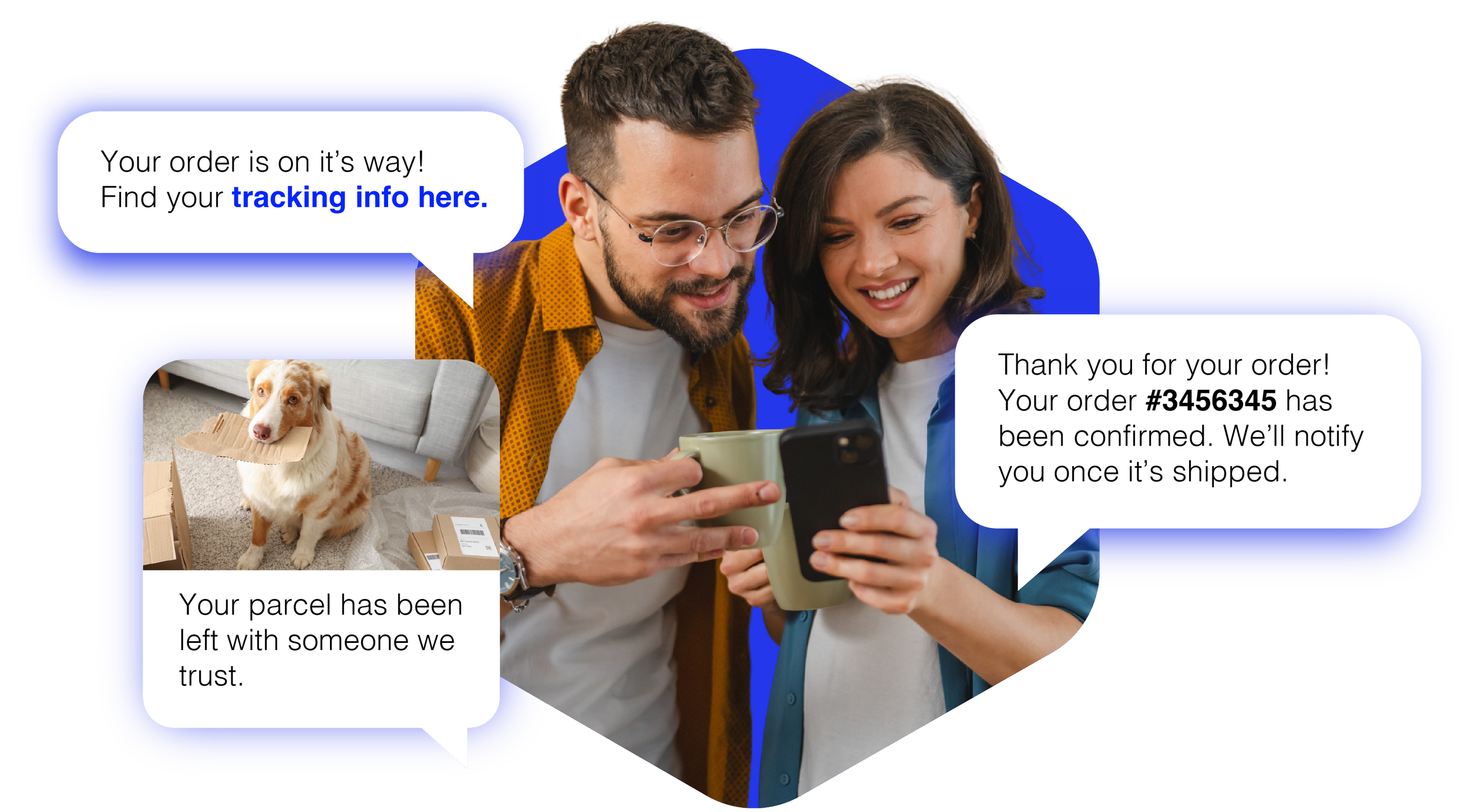
Delivery notifications are one of the most common uses of business messaging. From parcel tracking updates to missed delivery alerts, SMS remains the default channel for logistics providers, retailers, and service platforms.
It looks simple from the outside. A message is sent, and a customer receives it.
Behind that message sits a complex chain of telecom infrastructure. Messages move through APIs, aggregators, signalling protocols, and mobile network operators before reaching a handset. Each step affects reliability, latency, and ultimately whether the message is delivered at all.
For organisations sending delivery notifications at scale, understanding how SMS networks operate is not optional. It directly impacts customer experience, operational efficiency, and cost.
This guide explains how delivery notifications work over SMS networks, what happens at each stage of routing, and why direct operator interconnect matters for reliable delivery.
Table of Contents
What Are SMS Delivery Notifications
Why SMS Is Used for Delivery Updates
How Delivery Notifications Work Over SMS Networks
The Role of SMS APIs and Messaging Platforms
How Messages Are Routed Across Networks
Common Causes of Delivery Failure
MNO vs Aggregator Routing: What Changes
UK-Specific Considerations for Delivery Messaging
Key Takeaways
Frequently Asked Questions
What Are SMS Delivery Notifications
SMS delivery notifications are automated messages sent to customers to provide updates about deliveries.
Typical examples include:
order confirmation messages
dispatch notifications
out-for-delivery alerts
missed delivery updates
redelivery instructions
These messages are classified as A2P (Application-to-Person) messaging, where a system sends messages to an individual user.
Unlike marketing messages, delivery notifications are operational. They carry time-sensitive information that customers rely on.
Why SMS Is Used for Delivery Updates
Despite the growth of messaging apps, SMS remains the primary channel for delivery notifications.
Universal Reach
SMS works on every mobile phone, regardless of device type or application usage.
No Internet Requirement
Messages are delivered through signalling channels, not data connections. This ensures delivery even when users have limited connectivity.
High Open Rates
SMS messages are typically read within minutes, making them suitable for time-critical updates.
Reliability Across Networks
SMS delivery does not depend on a single platform. Messages can traverse multiple operator networks globally.
For logistics providers and platforms sending large volumes of delivery notifications, these factors make SMS the most dependable option.
How Delivery Notifications Work Over SMS Networks
At a high level, delivery notifications follow a structured path from the originating system to the recipient’s device.
Step 1: Message Creation
A delivery platform generates a message when an event occurs, such as:
parcel dispatched
delivery attempted
delivery completed
The message is formatted and sent via an API.
Step 2: API Submission
The platform sends the message to a messaging provider using an SMS API.
This is typically done via:
REST API
SMPP connection
The API request includes:
recipient number
message content
sender ID
Step 3: Message Processing
The messaging provider processes the message by:
validating the request
formatting the message
determining the routing path
At this stage, decisions are made about how the message will travel across networks.
Step 4: Routing via Interconnect
The message is routed through telecom infrastructure using:
SMPP (Short Message Peer-to-Peer)
SS7 signalling (Signalling System No. 7)
The route may involve:
direct operator interconnect
intermediary carriers
international transit routes
Each additional hop introduces potential latency and risk.
Step 5: Mobile Network Operator Delivery
The destination mobile network operator receives the message and delivers it to the recipient’s handset.
This involves:
subscriber validation
message queuing
final delivery to the device
Step 6: Handset Receipt
The message appears on the user’s device, typically within seconds.
If delivery fails, a delivery receipt may be returned to the originating platform.
This entire process often takes only a few seconds, but multiple systems and networks are involved.
The Role of SMS APIs and Messaging Platforms
SMS APIs act as the bridge between business systems and telecom networks.
They allow platforms to:
automate messaging
integrate with applications
send messages at scale
However, not all APIs provide the same level of control.
Aggregated APIs
Many platforms use aggregated routes, where messages pass through multiple intermediaries before reaching an operator.
Direct Interconnect APIs
Direct connections to mobile network operators provide:
improved delivery reliability
lower latency
greater visibility into routing
For delivery notifications, where timing and reliability matter, routing quality is critical.
How Messages Are Routed Across Networks
Routing determines how a message travels from origin to destination.
Direct Routing
Messages are sent directly to the destination operator.
Advantages:
fewer network hops
lower latency
higher delivery success rates
Indirect Routing
Messages pass through one or more intermediaries.
Risks include:
increased latency
message filtering
delivery failure
Grey Routes
Some providers use low-cost, unofficial routes.
These may result in:
unreliable delivery
message blocking
lack of delivery receipts
Understanding routing is essential for maintaining service quality.
Common Causes of Delivery Failure
Delivery notifications can fail for several reasons.
Incorrect Routing
Poor route selection can result in messages being blocked or delayed.
Operator Filtering
Operators may block messages that resemble spam or do not meet compliance standards.
Invalid Numbers
Incorrect or inactive numbers will result in failed delivery.
Network Congestion
High traffic volumes can delay message delivery.
Sender ID Issues
Unrecognised or inconsistent sender IDs may trigger filtering.
For businesses, these failures translate directly into missed deliveries and poor customer experience.
MNO vs Aggregator Routing: What Changes
The choice between using an aggregator and a direct MNO connection has a significant impact.
Aggregator Model
multiple intermediaries
limited visibility
variable routing quality
Direct MNO Interconnect
direct network access
improved delivery control
consistent routing quality
As an independent Ofcom-regulated MNO, Stour provides direct interconnect capabilities, removing intermediary complexity and improving delivery reliability.
UK-Specific Considerations for Delivery Messaging
Delivery messaging in the UK is influenced by regulatory and operational factors.
Ofcom Regulation
Operators must comply with Ofcom requirements around messaging practices and consumer protection.
Numbering Standards
UK mobile numbers must be correctly formatted and recognised across networks.
Spam and Fraud Controls
Operators apply filtering to reduce spam and smishing attacks, which can affect legitimate messages if not properly configured.
Sender Recognition
Consistent sender IDs help ensure messages are trusted and not filtered.
For international platforms entering the UK market, these factors are often underestimated.
Key Takeaways
Delivery notifications rely on SMS due to universal reach and reliability
Messages travel through multiple systems, including APIs, routing layers, and operator networks
Routing quality directly impacts delivery success
Aggregated routes introduce risk and variability
Direct MNO interconnect improves reliability and control
UK regulatory and network requirements must be considered
Frequently Asked Questions
-
Delivery systems send messages through APIs, which are routed عبر telecom networks to mobile operators for final delivery.
-
A2P (Application-to-Person) messaging refers to messages sent from a system or application to a mobile user.
-
Failures can occur due to routing issues, filtering, invalid numbers, or network congestion.
-
SMPP is a protocol used to send SMS messages between systems and telecom networks.
-
Routing determines how messages travel across networks. Poor routing increases latency and failure rates.
If you rely on SMS for delivery notifications, routing quality and network access directly affect your customer experience.
Discuss your interconnect and messaging requirements with our technical team to ensure reliable delivery across UK and international networks.