RCS Business Messaging: How It Works and Why Operators Are Adopting It
Rich Communication Services (RCS) has moved from industry discussion to real deployment. Mobile operators, messaging platforms, and technology companies are gradually building the infrastructure required to support RCS Business Messaging (RBM) alongside traditional SMS.
For enterprises, the appeal is obvious. RCS enables branded messaging, interactive buttons, images, and real-time responses directly within the native messaging app on smartphones. The experience resembles popular messaging platforms while maintaining the reliability and reach of operator-based messaging networks.
For mobile network operators and messaging platforms, however, RCS raises a different set of questions. How does the technology actually work at the network level? What infrastructure is required? And why are operators exploring RCS despite SMS continuing to deliver billions of messages each day?
This guide explains how RCS Business Messaging works, the technical ecosystem behind it, and why operators and messaging providers are beginning to adopt it.
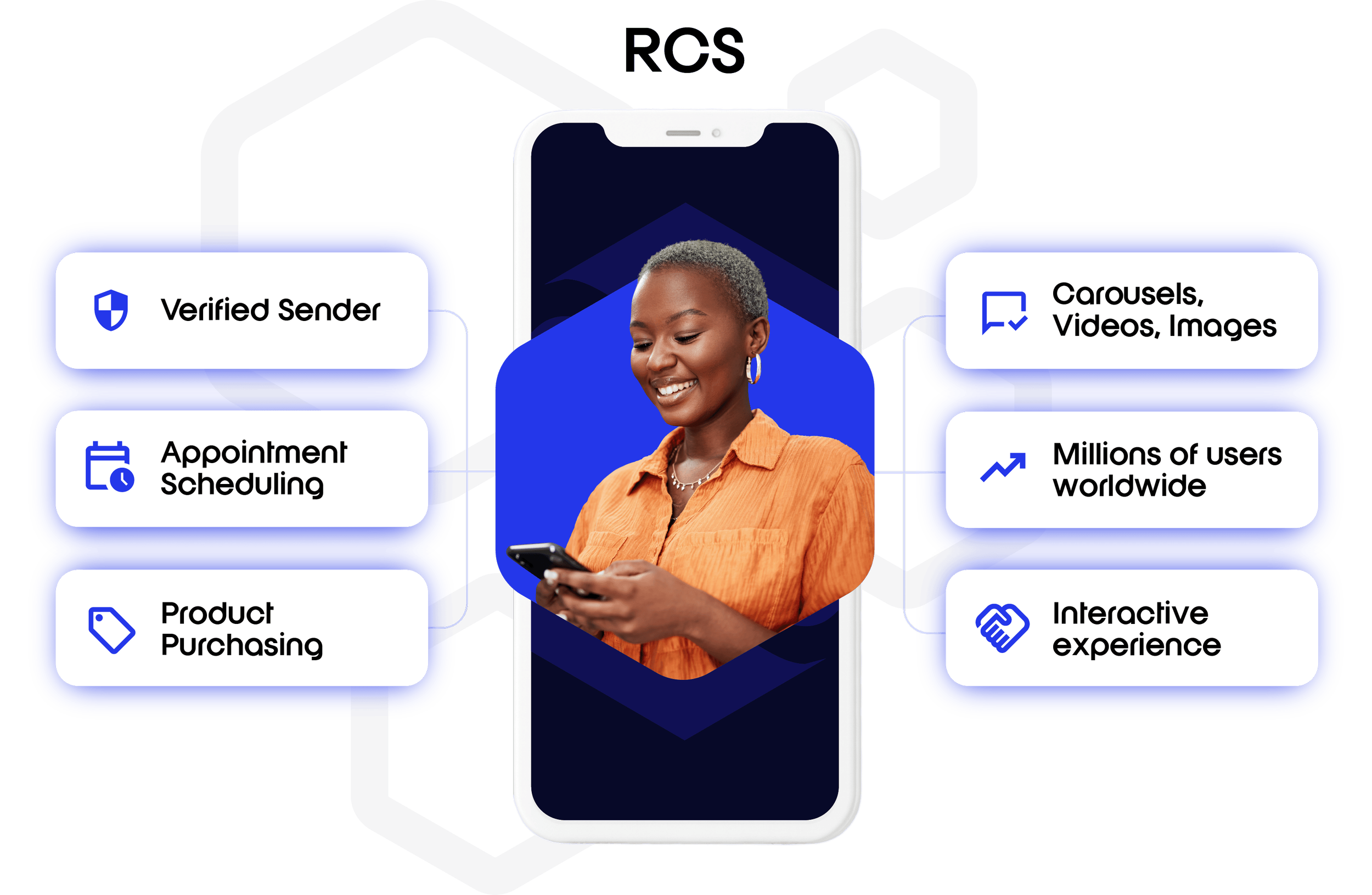
What Is RCS Business Messaging
RCS Business Messaging is the enterprise version of Rich Communication Services, a messaging protocol designed to enhance traditional SMS with richer features and interactive capabilities.
Where SMS supports only text and limited links, RCS allows businesses to send:
high resolution images and video
branded messages with company logos
interactive buttons and quick replies
suggested actions such as calling or opening a map
real time typing indicators and read receipts
Messages appear inside the phone’s default messaging application rather than requiring a separate app download.
For businesses, this creates a communication channel that combines the reach of SMS with the functionality of modern messaging platforms.
For operators, RCS represents an opportunity to evolve the messaging ecosystem while maintaining a carrier-based infrastructure.
How RCS Business Messaging Works
At a high level, RCS replaces the traditional SMS signalling pathway with an IP-based messaging framework.
A typical RCS Business Messaging flow involves several components.
1. Business Application
The message originates from a company platform such as:
customer support software
appointment reminder systems
e-commerce notification platforms
marketing automation tools
The platform connects to an RCS messaging provider through an API.
2. Messaging Platform or CPaaS Provider
The messaging platform processes the request and sends the message through an RCS gateway.
This gateway manages:
message formatting
rich content handling
authentication of business senders
routing to operator networks
3. RCS Infrastructure
Operators or platform providers run RCS application servers. Many operators use Google's Jibe platform, though independent RCS infrastructure also exists.
The servers manage:
message delivery
presence information
device compatibility
encryption and security
4. Mobile Network Operator
The operator network authenticates the recipient device and delivers the message to the smartphone through its IP messaging framework.
5. End User Device
If the device supports RCS, the message appears in the default messaging app with rich features enabled.
If the device does not support RCS, the message typically falls back to SMS.
This fallback mechanism allows businesses to maintain universal reach while offering enhanced experiences when RCS is available.
The Technical Architecture Behind RCS
RCS is built on a set of telecommunications standards defined by the GSMA Universal Profile, which ensures interoperability between networks and devices.
The architecture includes several key components.
RCS Application Servers
These servers manage messaging sessions, user presence, and message routing. They are the equivalent of SMSCs in the traditional SMS ecosystem but operate using IP messaging protocols.
IMS Core Network
RCS messaging runs over the IP Multimedia Subsystem (IMS) infrastructure used by many operators for VoLTE and other IP communication services.
IMS enables:
session management
authentication
message routing
interoperability between networks
RCS Client
The RCS client is the messaging software installed on the user's device. Many Android devices support RCS through Google Messages.
RBM Platform
RCS Business Messaging platforms provide enterprise messaging capabilities such as:
verified business identities
chatbot integration
campaign analytics
rich media message templates
Together these elements create a messaging environment that supports interactive communication directly within the mobile operator ecosystem.
| RCS Messaging | SMS Texting | |
|---|---|---|
| Cost | Development and implementation expenses | Generally low cost or included in mobile plans |
| Reliability | Dependence on internet connectivity | Reliable delivery |
| Compatibility | Limited support on some devices and platforms | Compatible with all mobile devices |
| User Reach | Limited adoption, especially on iOS handsets | Ubiquitous, accessible to all mobile users |
| User Experience | Richer multimedia features like images, videos, and animations | Simple and familiar interface |
| Message Length | Extended length for text messages, allowing more content | Limited to 160 characters in traditional SMS |
| Interactive Features | Richer interactive elements like buttons, carousels, and forms | Basic text-only communication |
| Delivery Receipts | Read receipts and typing indicators for real-time feedback | Limited delivery status information |
| Branding Opportunities | Enhanced branding with customized colors, logos, and themes | Limited customization options for branding |
| Security and Privacy | Enhanced security measures with end-to-end encryption | Limited data exchange, reducing privacy concerns |
| Media Sharing | Rich media sharing with images, videos, and audio files | Basic support for image and audio attachments |
RCS vs SMS for Business Messaging
SMS remains one of the most reliable communication channels available. It works on every mobile phone and does not require internet connectivity.
RCS introduces richer capabilities but also depends on modern devices and network support.
The differences are significant.
SMS
text only messaging
universal compatibility
extremely reliable global delivery
supported by all mobile networks
RCS
images, video and rich media
interactive message elements
verified business profiles
typing indicators and read receipts
improved user engagement
For many businesses, RCS is viewed as a complement to SMS rather than a replacement.
SMS continues to provide universal reach, while RCS enhances engagement where supported.
Why Operators Are Adopting RCS
Mobile operators have several motivations for exploring RCS Business Messaging.
1. Enhanced Messaging Experiences
Traditional SMS offers limited functionality. RCS allows operators to provide richer messaging experiences comparable to app based platforms.
2. New Revenue Opportunities
RCS Business Messaging allows operators to monetise enterprise messaging with enhanced features and branded communications.
3. Competition with OTT Messaging Platforms
Applications such as WhatsApp and iMessage have captured a large share of mobile messaging traffic.
RCS provides operators with a messaging standard that retains communication within the carrier ecosystem.
4. Verified Business Messaging
RCS enables verified sender identities, which helps reduce fraud and phishing risks compared with unverified SMS messages.
5. Improved Customer Engagement
Interactive messaging allows businesses to create more engaging customer experiences, which increases demand for enterprise messaging services.
For operators and messaging providers, these capabilities create new opportunities in the evolving business communication landscape.
Challenges and Limitations of RCS Adoption
Despite its potential, RCS adoption has progressed gradually.
Several factors contribute to this.
Device Compatibility
RCS support depends on smartphone software and carrier configuration. Some devices still lack full compatibility.
Cross Platform Interoperability
Messaging between different RCS implementations has historically been inconsistent, though the GSMA Universal Profile has improved interoperability.
Dependence on Data Connectivity
RCS requires an internet connection, unlike SMS which operates through signalling channels.
Apple Ecosystem Integration
Apple's messaging ecosystem has traditionally relied on iMessage rather than RCS. Recent announcements indicate that future iOS versions may support RCS standards, which could significantly expand adoption.
Until universal support becomes widespread, SMS remains the most reliable global messaging channel.
The Role of Mobile Operators in RCS
Operators play a central role in the RCS ecosystem.
Unlike over-the-top messaging applications, RCS relies on operator infrastructure for authentication, routing, and delivery.
Operators are responsible for:
deploying RCS infrastructure
supporting IMS networks
enabling interconnect with other networks
ensuring message security and compliance
supporting enterprise messaging providers
Independent mobile network operators and wholesale messaging providers also participate in this ecosystem by enabling enterprise messaging traffic and maintaining connectivity between networks.
As RCS adoption grows, operators will continue to shape how business messaging evolves across mobile networks.
Key Takeaways
RCS Business Messaging represents an evolution of operator messaging rather than a complete replacement for SMS.
The technology introduces rich media, interactive messaging, and verified business communication within the mobile operator ecosystem.
For businesses, RCS offers a more engaging messaging experience while maintaining the reliability of carrier messaging infrastructure.
For operators and messaging platforms, RCS opens new opportunities to support enterprise communication services while competing with app based messaging platforms.
SMS remains essential for universal reach. RCS enhances the experience where supported.
Together, they form the foundation of modern business messaging.
Frequently Asked Questions
-
RCS Business Messaging is the enterprise version of Rich Communication Services. It allows businesses to send interactive messages containing images, buttons, suggested replies, and branding through the native messaging application on supported smartphones.
-
No. SMS continues to provide universal compatibility and global reach. RCS enhances messaging with richer features but relies on device compatibility and internet connectivity.
-
Businesses typically send RCS messages through messaging platforms or CPaaS providers that connect to operator RCS infrastructure using APIs.
-
Many Android devices support RCS messaging. Support varies depending on the device, network, and messaging application. Adoption continues to expand as operators deploy compatible infrastructure.
-
RCS messaging platforms support authentication and verified sender identities. Security features depend on the specific implementation and operator infrastructure.
If your organisation requires reliable SMS infrastructure, carrier interconnect, or messaging capabilities across global networks, speak with our technical team to discuss your requirements.